
The future of interior design is changing fast. We're moving toward sustainable materials, smart technology, wellness-focused spaces, and designs that show your personal style.
As someone working in this field right here in Bangladesh, I see these changes happening every day. Whether you’re a homeowner, a small business owner, or planning a large commercial space, this matters to you. Why? Because how we design our spaces affects how we live, feel, work, and connect with others.
Technology is Changing the Way We Design
AI Is Speeding Things Up
AI helps us plan designs faster and give you custom suggestions based on your style. It’s like having a smart helper that reads your mind!
VR and AR: See Before You Build
With Virtual Reality (VR) and Augmented Reality (AR), you can walk through your home or office before it’s even built. No guessing, no surprises.
Smart Homes Are the New Normal
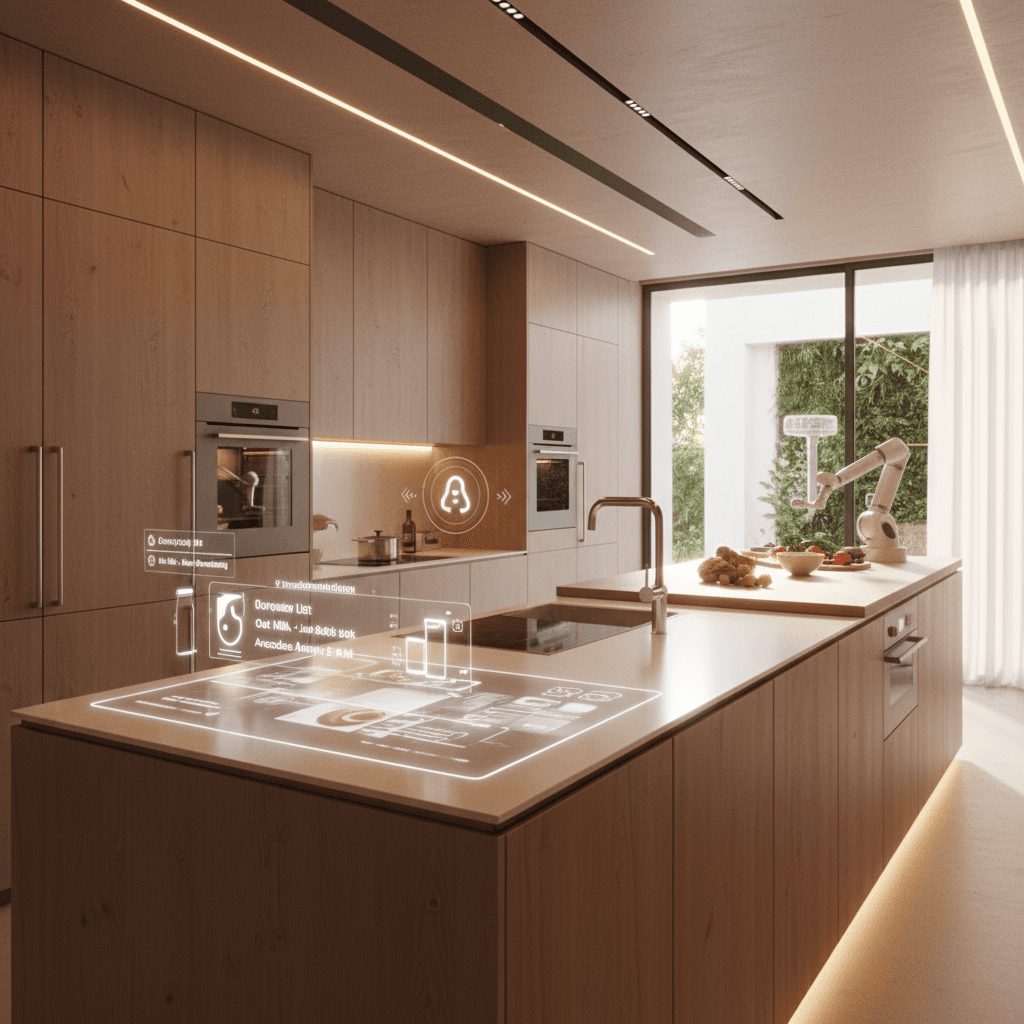
Design now includes automatic lighting, smart air conditioners, and even security systems. We plan where your smart devices will go from Day 1.
3D Printing is Making Waves
Soon, we’ll be able to print custom furniture pieces for your space. That means faster delivery, less waste, and personalized design.
Learn More: What Skills Do You Need to Be an Interior Designer
Wellness and Sustainability Matter More Than Ever
Today, our homes and offices should not just look good—they should feel good too. Here’s how we do that:
Biophilic Design
We bring the outside inside—with plants, natural light, and even indoor water features.
Circadian Lighting
Lighting that matches your body clock helps you sleep better and feel more awake during the day.
Sensory Wellness
Designs now include soft textures, calming sounds, and nature-inspired looks for peace of mind.
Upcycling and Vintage
Reusing old furniture or materials is not just trendy, it’s eco-friendly. We love mixing old with new!
Eco-Friendly Materials
We use safer, sustainable choices like low-VOC paints, FSC-certified wood, and recycled décor.
Interior Style is Becoming More Personal
No more boring copy-paste designs. People now want a space that tells their story.
Maximalism and Individualism
Forget all-white rooms. People now LOVE color, texture, and showing off travel finds or personal art collections.
Nostalgia is Back
Designs from the 70s, 80s, and styles like Cottagecore and Art Deco are trending again.
One Material, One Look
Imagine a room covered in only wood, stone, or plaster. It creates a calm and unified look.
Earthy Colors are In
Think warm browns, soft greens, and deep terracotta. These shades bring comfort and mood to a space.
Handcrafted is Cool
People now want handmade, local pieces. From chairs to lights, custom-made is the new luxury.
What’s Coming in 2025 and Beyond
What to Expect in 2025
We’re seeing a rise in AI tools, virtual designing, and eco-luxe materials—beautiful, but also good to the planet.
What About 2030?
By then, we expect fully smart homes, robots doing housework, and homes that support mental health and wellness.
Trends Around the World
- In Europe, the focus is on green living.
- In the Middle East, it's all about luxury and scale.
- In Asia and America, it's heavy tech—smart homes and automation.
Learn More: How to be an Interior Designer
Is Interior Design a Good Career for the Future?
Yes! Interior design is growing fast, especially in busy cities like Dhaka and Chattogram.
Skills to Learn
To stay ahead, designers must understand technology, know how to use eco-friendly materials, and be able to work with different cultures and styles.
Career and Pay
As homes and buildings get smarter, demand for designers is rising. In Bangladesh and globally, smart interior designers are doing really well.
Learn More: How Do I Start Interior Designing for Beginners
Why It Matters for Our Clients
At Archiconnect, we bring these future trends into your home or business—today.
Here's Why It Matters:
- You won’t have to worry your space will get outdated.
- You get better value because smart and sustainable homes last longer.
- You’ll truly feel better living or working in these improved environments.
If you want interiors that are timeless but future-ready, we’re your go-to in Bangladesh. Our design services blend innovation, eco-living, and your personal style.
Learn More: What is the Golden Rule in Interior Design
8. Final Thoughts
The future of interior design brings together:
- Smart tech
- Wellness and mental health
- Eco-living
- Your unique style
It’s no longer just about looks—it’s about how design makes you feel. And that’s where we, at Archiconnect, come in.
So, let’s build the future—room by room, together.
Learn More: What Does an Interior Designer Do
FAQs
Q: Do interior designers have a future?
Yes! With more people moving to cities and wanting modern, smart, and healing spaces, good designers are needed more than ever.
Q: Can AI replace interior designers?
It helps, but it can't replace the human creativity and emotion that real designers bring. AI supports, but humans still lead.
Q: What is the 70/30 rule in interior design?
It means 70% of your room follows one main look (like modern), and 30% adds contrast or personality (like vintage touches).
Q: What does the future of interior design look like?
It’s smart, sustainable, personal, and full of feeling. Designs that help us live better—not just look better.