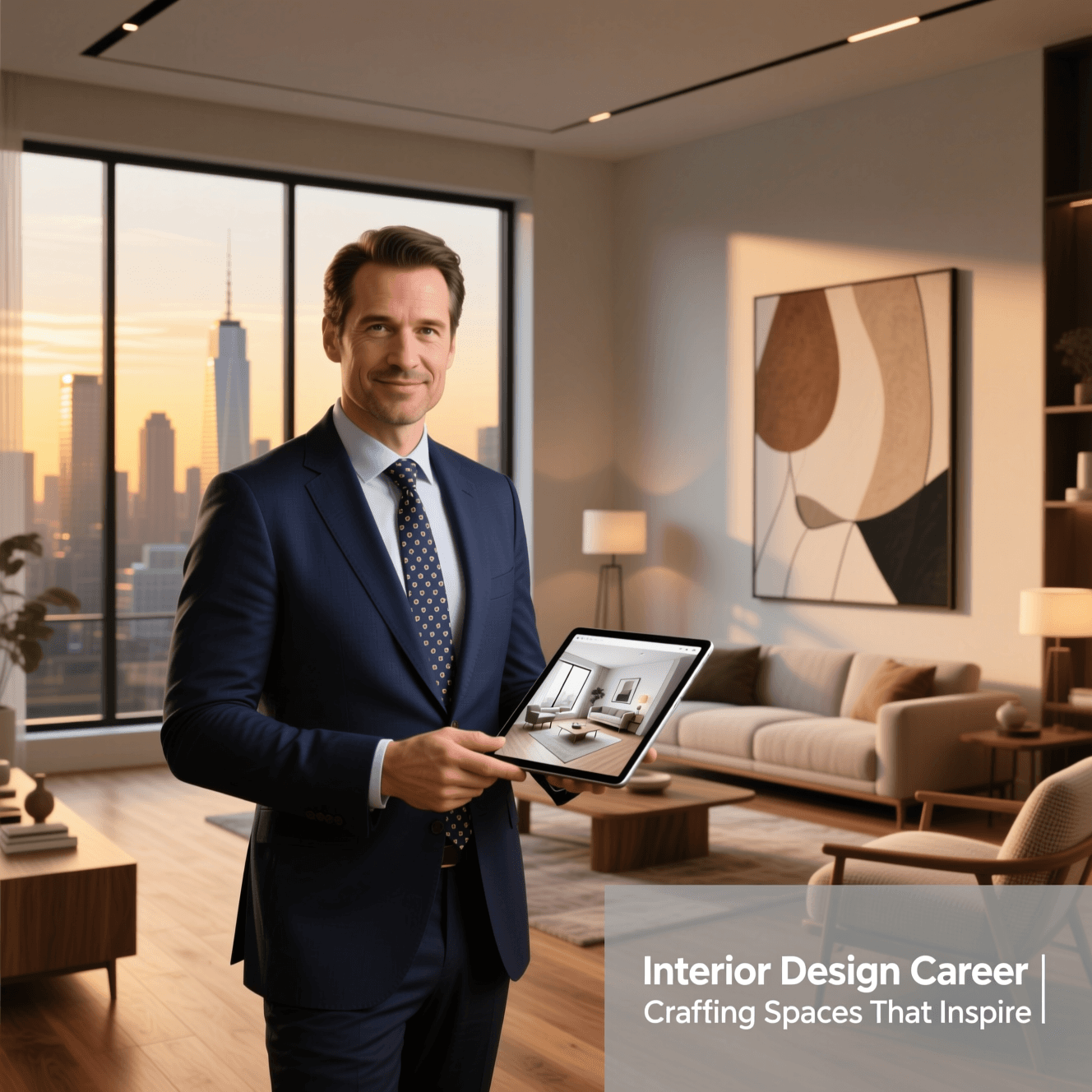

Yes – Interior Design is a Good Career. Here’s Why.
As someone who works in this field every day, I can tell you: interior design can be both rewarding and practical. You get to be creative, make real changes in people’s spaces, and build a career that grows with time. But it’s not always easy. It takes hard work, patience, and a real passion for design.
Let’s break it down so you can decide if it’s the right path for you.
What Makes Interior Design a Good Career?
Creative Expression & Personal Fulfillment
Imagine turning an empty room into a space filled with life, mood, and function. You choose colors, furniture, lighting, and layout to match how someone wants to feel in that space.
That feeling — seeing your vision come to life — is one of the best parts of this job.
A Profession With Purpose
Interior design isn’t just about making things “look pretty.” It’s about making spaces more comfortable, more efficient, and even healthier.
Good design affects people’s mood, sleep, productivity, and how they connect with others. Think of quiet spaces in a hospital waiting area, or peaceful bedrooms at home — all these are planned by designers with purpose.
Rising Global Demand for Designers
Globally — and even here in Bangladesh — the demand for smart, well-designed spaces is growing. Because of:
- Urban development
- More real estate projects
- Eco-friendly and smart home trends
There’s also growth in niche design areas like:
- Sustainable materials
- Commercial interiors
- Hospitality design
- Tech-integrated “smart rooms”
Flexible Career Paths
As an interior designer, you can build your career in many ways:
- Join a design firm
- Work with architectural companies (like we do at Archiconnect)
- Go freelance or open your own studio
The options are flexible. You can specialize in:
- Residential homes
- Offices and commercial spaces
- Hospitality (restaurants, hotels, lounges)
- Retail shops or even event design
You’re not stuck in one job role for life — and that’s a big advantage.
Learn More: What Skills Do You Need to Be an Interior Designer
Things to Consider Before Choosing This Career
Like any career, interior design has challenges. Let’s be real about them.
Managing Client Expectations
Clients may change their minds often. Balancing your creative ideas with their budget – and their last-minute changes – can be tough.
For example, I once designed a beautiful café interior in Dhaka, but halfway through, the client wanted to change the entire layout due to budget issues. We adapted, but it took patience (and a lot of coffee!).
Long Hours and Irregular Schedules
Designing isn’t always a 9–5 job. You’ll need to do site visits, meet clients, talk to contractors, and solve problems – sometimes during weekends or late hours.
Competitive at the Start
It can be hard to get noticed at first. You’ll need a strong portfolio, no matter how small the projects. Internships, freelance work, and even student competitions help.
Connecting with other designers, architects, and professionals is key.
You Need Technical and Business Skills
Interior design involves:
- CAD software (like AutoCAD, SketchUp)
- Understanding materials and textures
- Building codes and safety standards
- Budget and project management
You also need to know how to price your services, write contracts, and talk with clients properly.
Career Growth, Income, and Outlook
Job Outlook (2025 and Beyond)
According to the U.S. Bureau of Labor Statistics (BLS), interior design jobs are growing at about 3–5% each year. Developing countries like Bangladesh are seeing faster growth with more urbanization and commercial expansion.
Salary Expectations
Income depends on:
- Your experience
- Type of projects (residential tends to pay less than commercial or luxury)
- Your location
Entry-level designers: may earn BDT 20,000–35,000/month. Mid-level designers (3–5 years): BDT 50,000+ Experienced or studio owners: BDT 100,000 or much more (especially with high-end clients)
With a strong portfolio and network, income potential is high.
Learn More: How Much Does an Interior Designer Cost in Bangladesh
How Designers Build Long-Term Success
Your reputation and referrals are everything. If clients love your work, they’ll refer you to others. A clear visual portfolio (on Instagram, your website, or Behance) helps a lot.
With time, you’ll get better clients, larger projects, and higher pay.
Learn More: Do Interior Designers Make a Lot of Money
Quick Pros and Cons of the Interior Design Career
Pros:
- Creative and fulfilling work
- Flexible career options
- High-income potential in the long term
- You make real impact on people’s lives
Cons:
- Long hours and client pressure
- Early career income can be unstable
- Highly competitive field
- You need a business mindset too
Is Interior Design a Good Career in Bangladesh?
Yes, it’s a growing field here.
Dhaka, Chittagong, Sylhet — cities are booming with new homes, cafes, offices, and shops. People now care more about design, function, and aesthetics.
There’s high demand, especially for smart, modern, functional interiors. Archiconnect has seen a steady rise in residential and commercial projects — positive signs for anyone entering the field now.
Is Interior Design Right for You?
Before jumping in, ask yourself:
- Do I enjoy being creative and solving problems?
- Am I detail-oriented?
- Can I handle deadlines and client pressure?
- Do I like working with a mix of art and tech?
If yes — this may be a great path for you.
To get started, try:
- Online courses on platforms like Udemy or Coursera
- Internship with a studio (we accept interns at Archiconnect)
- Talking to local designers or asking to shadow a project
Learn More: Where to Learn Interior Design
Conclusion: Turn Creativity Into a Career
Interior design is not just a hobby — it can be a real, meaningful career. If you love creating beautiful, functional spaces and enjoy solving problems, this is a space where you can grow.
It takes time and effort, but with dedication and passion, it’s one of the most fulfilling jobs out there.
FAQs
Is interior design a well-paid job?
At first, it can be slow. But experienced designers with a great portfolio can earn very well — especially in commercial and high-end residential sectors.
Are interior designers in high demand?
Yes, demand is growing globally and in Bangladesh. Urban growth, real estate, and the hospitality sector are strong drivers.
Is doing interior design worth it?
Yes, if you enjoy creative work and are willing to develop both artistic and business skills.
Is interior design hard?
It can be. You deal with real clients, budgets, time pressure, and multiple teams. But if you enjoy a challenge, it’s very rewarding.
Is interior design a good job to get into?
Absolutely — especially in 2026 and beyond. As people focus more on quality living and working spaces, the value of interior design keeps rising.