
As an interior designer at Archiconnect, I believe every great space starts with one thing — understanding the people who live or work there.
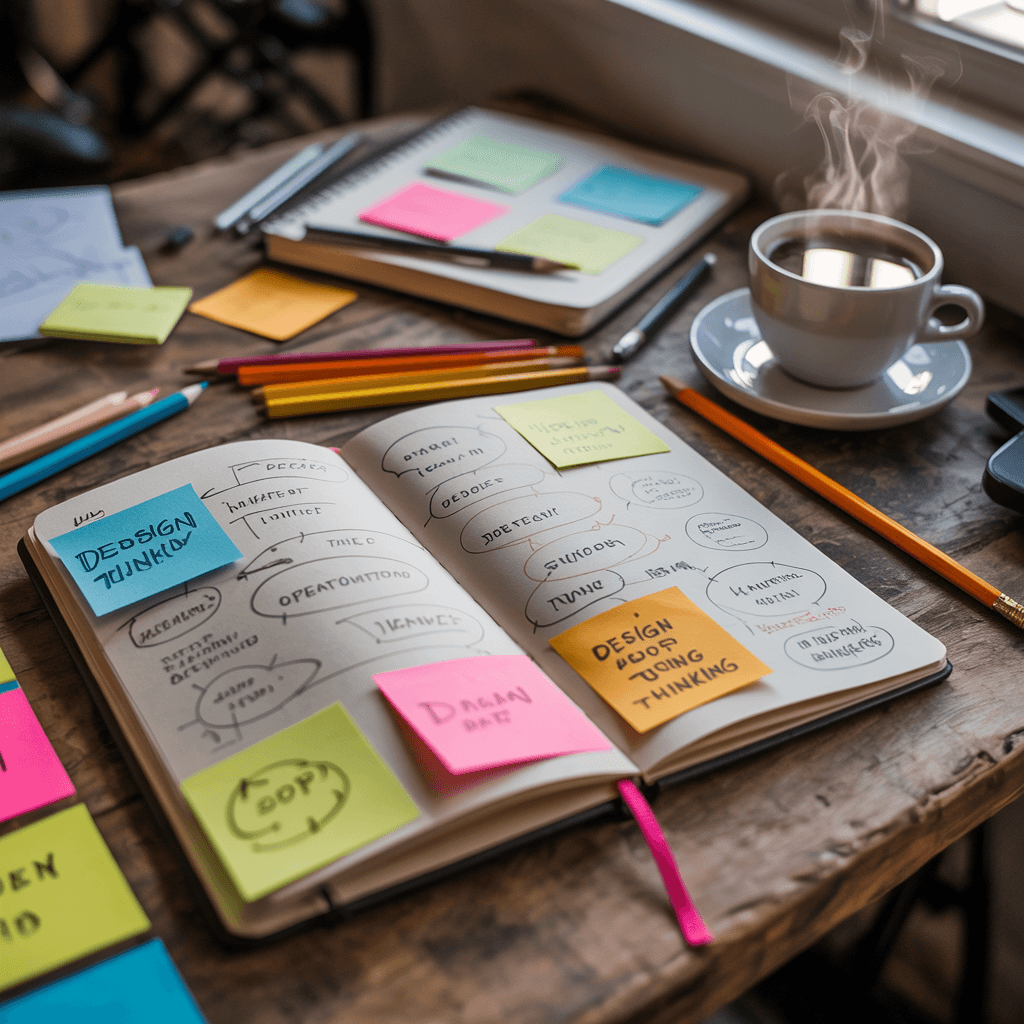
Design thinking is a creative, human-centered way to solve design problems. It helps us design spaces that are not just good-looking, but also functional, personal, and meaningful. It’s the same process used by tech companies, architects, and yes — interior designers.
At Archiconnect, we follow this exact design thinking process to make sure your home or office feels just right — made for your life, your habits, and your taste.
Overview: The 5 Core Steps of Design Thinking
The design thinking process is simple but powerful. It has five key steps:
- Empathize
- Define
- Ideate
- Prototype
- Test
This process is flexible, not strict. We often go back and forth between steps to improve and adjust the design.
Step 1: Empathize — Understand Your Needs
This is where everything begins. I spend time learning about you — your lifestyle, what you love, what frustrates you, and how you use your space now.
Some ways I do this:
- Interviewing you about your daily routine
- Visiting your space to observe things in real life
- Looking at Pinterest boards or saved photos that inspire you
The goal? Build what's called a user persona — a quick snapshot of your emotional and practical needs.
For example: If you work from home and often feel distracted, I’ll think about adding quiet zones, acoustic panels, and an ergonomic desk layout just for you.
Step 2: Define — Find the Real Design Problem
Next, I take all your feedback and turn it into a clear design goal.
I look for pain points like:
- Not enough daylight
- Storage overflowing
- Awkward room layouts
Then I write a problem statement, like:
“How might we redesign this apartment to add more storage without making it feel small?”
This step keeps everything focused. With a well-defined problem, we avoid expensive rework later on.
Step 3: Ideate — Brainstorm Creative Solutions
Now comes the fun part — idea generation.
In this step, we explore tons of ideas before picking one. I might:
- Sketch out different layout options
- Try out color palettes and fabric choices
- Use online tools like Foyr Neo to test ideas quickly
Sometimes a wild idea can become the best one — so no pressure at this point. For one client’s living room, I tested three totally different layouts before finding the one that fit their lifestyle best.
Step 4: Prototype — Visualize the Ideas
Once we choose a good direction, it's time to build a prototype. This helps you see how the final space will look.
I often create:
- 3D renderings or walk-throughs
- Mood boards with colors, fabric, tiles, and textures
- Scaled floor plans showing layout and lighting ideas
Example: I once made a digital kitchen model so my client could preview countertop height, cabinet color, and tile finish — all before we started work.
Step 5: Test — Improve with Feedback
Finally, I present the design to you and ask questions like:
- “Does this layout work for your family’s daily habits?”
- “Is the lighting warm and welcoming enough?”
- “Are the materials easy to clean and maintain?”
If something doesn’t feel right, that’s okay! We go back, tweak the design, and test again. This step makes sure the final design feels just right.
Learn More: 7 Concepts of Interior Design
Why Design Thinking Matters in Interior Design
Here’s why I use this process in every single project:
- It gives you a home that works and feels good
- It promotes teamwork between us (designer + client)
- It reduces mistakes and saves time
- It leads to designs that are personalized and future-ready
Top design firms around the world use this method — and so do we at Archiconnect.
Real-World Example — A Home Redesign in Dhaka
One of our recent clients in Dhaka had a small, cluttered apartment. During the empathize phase, I learned they felt stressed by the mess and wanted a calm, open vibe.
We defined the problem as “lack of organized storage and visual calm.”
I then brainstormed ideas like wall-mounted cabinets, hidden storage under seating, and a foldable desk. We prototyped the space using a digital model and got the client’s feedback. After a few changes, the final design felt open, clean, and peaceful — just like they imagined.
Learn More: House Design Ideas for Bangladesh
How Archiconnect Uses Design Thinking in Every Project
At Archiconnect, our entire process is built around these five steps:
- Client Consultations = Empathize
- Concept Planning = Define
- Layout & Style Ideas = Ideate
- 3D Rendering & Boards = Prototype
- Your Feedback & Final Approval = Test
If you’re planning to redesign your home or office, let’s talk. Our design thinking process ensures every part of your space fits you.
Key Takeaways
- Design Thinking = Creative + Human-Centered + Flexible
- 5 Steps = Empathize → Define → Ideate → Prototype → Test
This method helps make homes that are beautiful, useful, and personal
12. FAQ — Quick Answers You Need
What is the purpose of design thinking in interior design?
To create spaces that are functional and emotionally meaningful for the people using them.
Which stage of design thinking involves creating prototypes?
Step 4: Prototype — this is where we use 3D models, sample boards, or sketches to visualize the design.
Is design thinking only for designers?
No! Homeowners can also use this process when planning their own spaces.
How can beginners use design thinking for their homes?
Start by thinking deeply about your needs (empathize), then define the main problem, explore ideas, test them on paper, and try small changes.
What are the 5 steps of design thinking?
- Empathize
- Define
- Ideate
- Prototype
- Test
What is step 5 in the design process?
Test — this is where you review the design and refine it based on how it feels and works.