
A lot of people ask me, “Can I become an architect if I can’t draw?” I understand why that sounds like a big deal. But the truth is—you don’t need to be a great artist to become an architect.
Yes, drawing helps, but it’s not the most important thing. Architecture is more about solving problems, thinking creatively, and working with others to bring ideas to life.
As someone working in architecture through Archiconnect in Bangladesh, I see many successful architects who aren’t amazing at hand drawing. So don’t worry—it’s possible!
The Myth: Architects Must Be Great Artists
Many people believe architects have to draw like professional artists. That’s a myth. They imagine we sit around making beautiful sketches like painters or cartoonists.
But here’s the truth—architecture drawing is not the same as fine art.
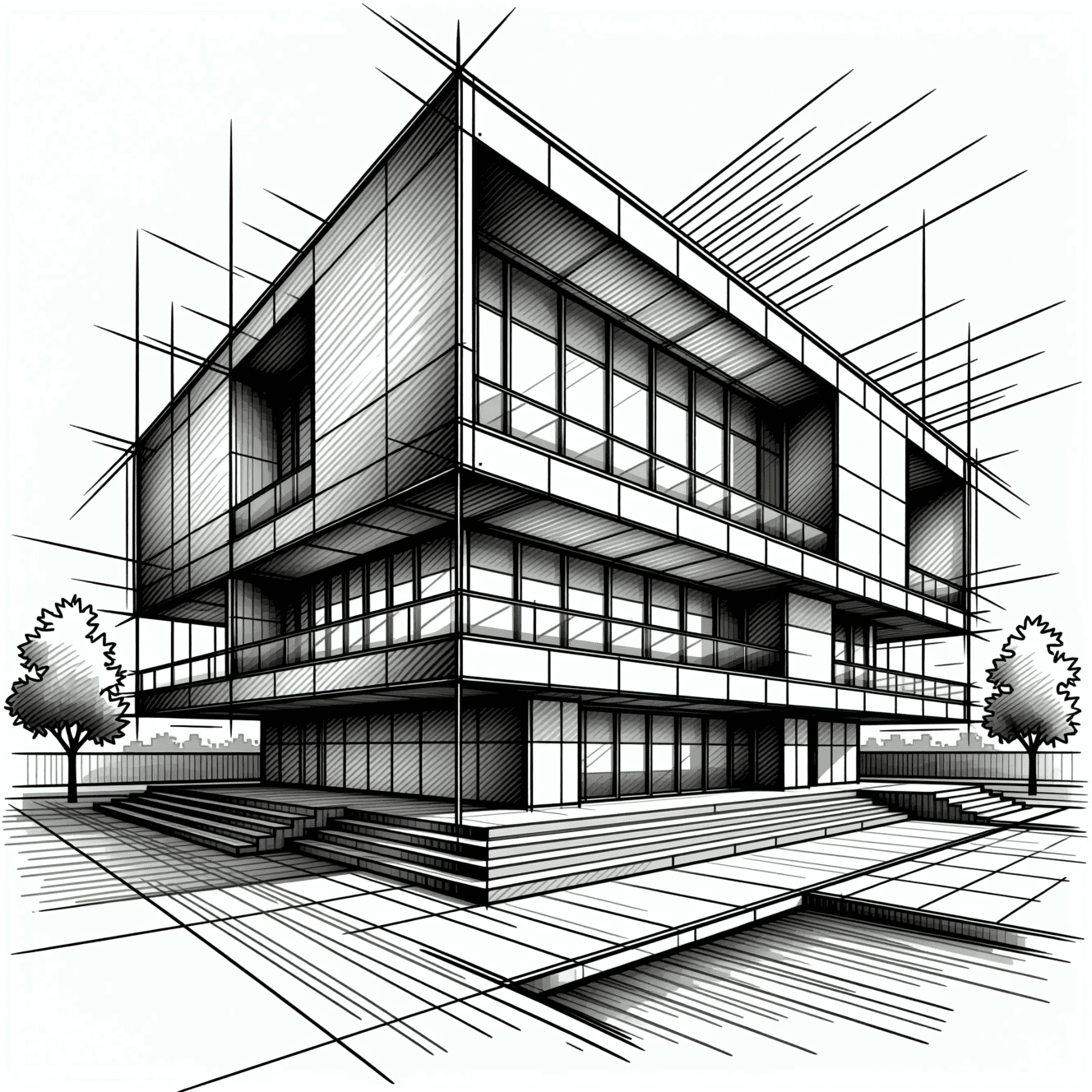
Sketches in architecture are tools to communicate ideas. These don’t need to be perfect. Even quick, rough sketches can explain big, serious design ideas. It’s more about making others understand what you’re thinking—not creating a work of art.
Architectural Drawing vs. Artistic Drawing
Let’s break it down:
- Architectural drawing includes floor plans, sections, and elevations. These are more like maps or instructions for builders.
- Artistic drawing is more free-form and used for personal expression.
Imagine drawing a house. Architects don’t need to make it look beautiful with shading and colors. We just need to show where the kitchen is, how big the rooms are, or how sunlight comes in.
In my work at Archiconnect, I often use quick drawings to share early ideas with team members or clients. It’s about being clear—not perfect.
The Digital Reality: Software Replaced Hand Drafting
Today, architects use a lot of software. Tools like AutoCAD, Revit, SketchUp, and Rhino help us create everything from simple layouts to full 3D models. These tools have mostly replaced traditional hand drafting.
In fact, a big part of my job involves working on a computer, not sketching on paper. If you are good with digital tools, that’s even more valuable these days.
At Archiconnect, we use modern software every day to design, plan, and present our ideas. So, instead of worrying about drawing by hand, focus on learning these tools—they’re the future of architecture.
Essential Skills Architects Need (Beyond Drawing)
Architecture is a mix of art, science, and teamwork. Here are the real skills you need to succeed:
- Math & Physics – Helps understand structure and balance.
- Creative Problem-Solving – Designing within budget, space, and rules.
- Communication Skills – Talking to clients, engineers, and builders.
- Knowledge of Building Codes – Safety, zoning, and construction laws.
- Tech Skills – Using Revit, AutoCAD, SketchUp, Rhino, Lumion, and more.
- Project Management – Handling budgets, schedules, and coordination.
In my daily work, I constantly balance design ideas with materials, safety laws, and client needs. Drawing is just one part of a much bigger picture.
Can You Become an Architect Without Strong Drawing Skills?
Yes, you can. Here’s why:
- Drawing is a learnable skill. You don’t need to be born with it.
- Many architects use software for drawing and modeling.
- Architecture schools look for creative thinking, not perfect sketches.
- Often, your ideas matter more than how they’re drawn.
At Archiconnect, I’ve helped team members grow into great architects just by developing their strengths—technology, smart designs, or presenting concepts clearly.
Practical Ways to Start if You’re Not Confident in Drawing
If drawing isn’t your strong point, don’t worry. You can still move forward.
Try these steps:
- Practice basic sketching – Start with lines, shapes, and simple house plans.
- Learn digital tools – Try free or beginner-friendly software like SketchUp.
- Build a portfolio – Use models, photography, or digital work to show your ideas.
- Focus on your strengths – Whether it’s tech, thinking creatively, or understanding space.
Every architect has their own style. What matters is your ability to solve problems and show your ideas clearly.
Examples: Famous Architects Who Weren’t Great at Drawing
Some well-known architects have admitted they weren’t strong in hand drawing. They relied on teamwork and software.
For example:
- Zaha Hadid often used painting-like drawings early in her career, but later used digital tools and large teams to convert her ideas into reality.
- Bjarke Ingels, the founder of BIG, focuses more on bold ideas and collaboration than hand-drawing every detail.
So remember, even world-famous architects didn’t do it all with a pencil.
Common Related Questions
Q: Do I need to be good at drawing to study architecture?
A: Not at all. Many schools teach you how to draw in your own way. What matters more is your ideas, thinking process, and how you solve design problems.
Q: What if I’m bad at both math and drawing?
A: That’s okay! Practice can help with both. You don’t need to be a math genius—just basic understanding. And as I said before, drawing is a skill you can learn.
Q: Can software fully replace drawing?
A: In many ways, yes. Software like Revit and SketchUp can do most of the drawing work. But quick sketches are still useful in meetings or when brainstorming.
Q: Is sketching still taught in architecture schools?
A: Yes, it is. But you won’t be judged by how beautiful your sketches look. It’s about learning how to think through drawing, not about being a great artist.
Conclusion
Here’s something I want you to remember:
You do NOT need to be a great artist to become an architect.
What you need is:
- Creativity
- Problem-solving skills
- Teamwork
- A willingness to learn
At Archiconnect, we believe great architects come from great thinking—not perfect hand drawings.