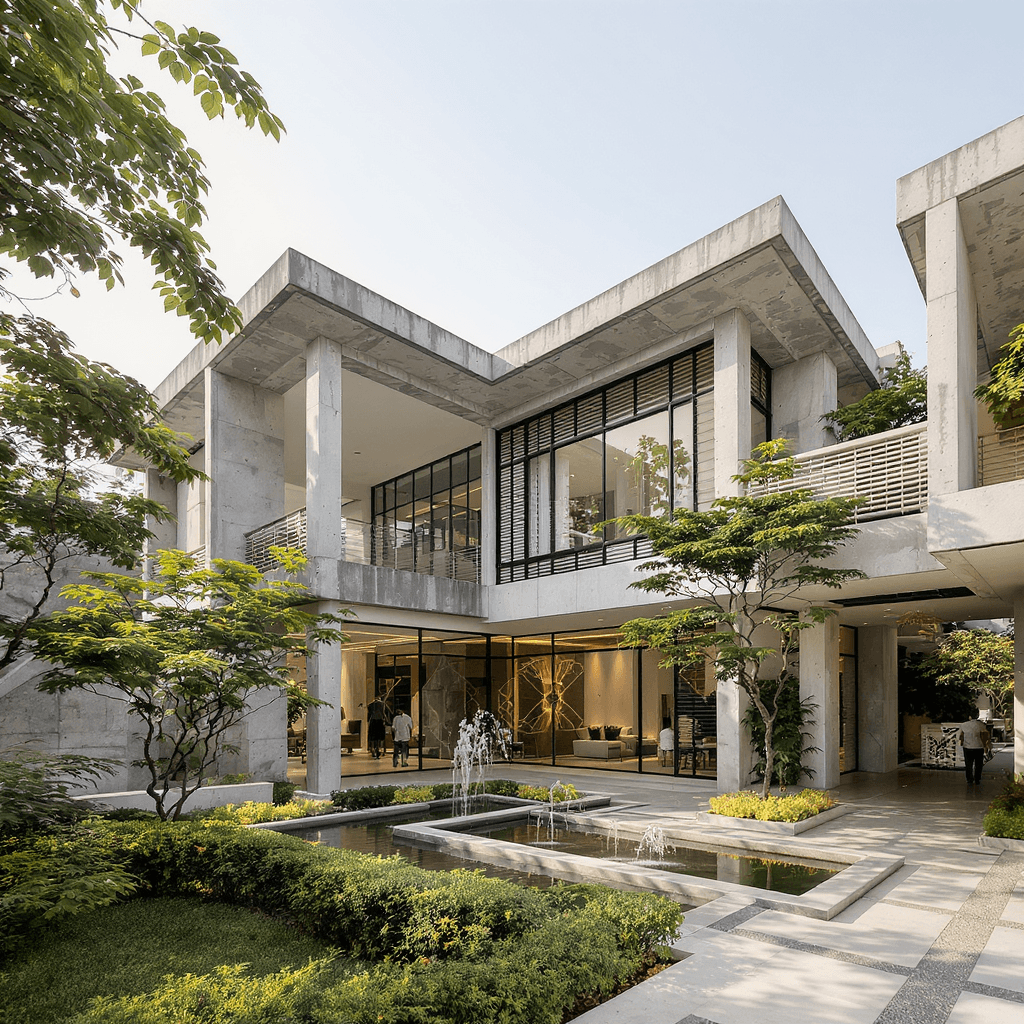

Building design in Bangladesh is changing fast. Our cities are growing, our weather is getting tougher, and people want homes that are both smart and stylish. Today, we’re mixing beautiful traditional Bengali styles—like verandas and courtyards—with modern design trends from around the world.
In this guide, I’ll walk you through everything you need to know about building design in Bangladesh—including ideas, materials, trends, and tips. Whether you’re building your first home or a commercial building, you’ll find this guide helpful.
Understanding Building Design in the Bangladeshi Context
Building design means planning how your building will look and function—both inside and out. It includes architecture, structure, and how the space works for everyday use.
In Bangladesh, our climate, crowded cities, and culture shape how we design. Homes need cross ventilation to deal with heat. Buildings in flood-prone areas need strong raised foundations. Designs must also reflect how we live—with shared spaces for families, prayer areas, and sometimes even small businesses under one roof.
We’ve also seen a big move toward eco-friendly and resilient buildings that save energy and protect against natural disasters.
Core Design Principles and Current Trends
Fusion of Tradition and Modernity
Architects are mixing the old with the new. We still love features like open courtyards, verandas, and terracotta art, but now they come with modern materials like glass and steel.
For example, new Dhaka homes might have a traditional layout—but with solar panels, sliding glass doors, and open kitchens.
Sustainable Architecture
Green buildings are on the rise. People now want designs that:
- Use natural light and air flow
- Include solar panels
- Have green rooftops or rainwater collection systems
- Use eco-friendly bricks like fly ash or compressed blocks
Responsive and Resilient Design
In a country like ours, floods and cyclones are a major worry. That’s why many new designs use:
- Raised or stilted foundations
- Cross ventilation for comfort
- Materials that are water-resistant and last longer in harsh weather
Duplex and Modern Residential Design
Duplex houses are getting very popular in cities. These are great for joint families and give a sense of privacy with space.
They often have:
- Open living areas
- Rooftop gardens
- Smart home features (like automation for lights and fans)
Urban and Commercial Building Trends
Towns like Dhaka and Chattogram are seeing new trends like:
- Mixed-use buildings (shops + homes)
- Compact apartments
- Eco-friendly office towers with energy-saving glass and smart systems
Common Building Materials Used in Bangladesh
Good design needs the right materials. Here’s what’s mostly used in our country:
Reinforced Concrete Cement (RCC)
Strong, long-lasting, and best for foundations, slabs, and beams.
Bricks and Blocks
Traditional clay bricks are everywhere. But concrete blocks and fly ash bricks are cleaner and keep the building cooler.
Steel
Used in high-rise or industrial buildings because it’s strong and flexible.
Wood and Bamboo
Bamboo and certain types of treated wood are coming back in eco-homes and village houses.
Natural & Organic Materials
Some architects also use mud, straw, or jute fiber panels to reduce heat and make unique walls.
Challenges Facing Building Design in Bangladesh
Like any country, we face some hurdles:
Code Enforcement
Many buildings don’t follow the Bangladesh National Building Code (BNBC), which creates safety issues.
Corruption and Delays
Getting permits or approvals can be slow and tricky, sometimes delayed by paperwork or unclear rules.
High Cost of Green Design
Eco-building is great, but good materials often cost more.
Lack of Awareness
Some builders use old methods and don’t know about smart or green design options.
Natural Disasters
Floods and limited building resources make it hard to design strong, safe homes for everyone.
Government and Industry Support for Better Design
BNBC 2020
New rules focus on energy savings, solar use, and water management.
BEEER Rating
This tells how energy-efficient a building is. More buildings are now trying to get this rating.
LEED Certification
Factories and companies are using LEED standards to turn their buildings green and efficient.
Green Loans
Bangladesh Bank offers low-interest loans to support green building projects.
Notable Architectural and Design Firms
Some awesome firms changing Bangladesh’s design scene include:
- Archiconnect - ARCHICONNECT stands out as more than just a platform; it’s your personal gateway to the world of design.
- Marina Tabassum Architects (MTA) – Known for eco-friendly designs like Bait Ur Rouf Mosque
- Green Architect – Focuses on sustainable buildings
- Shellmark Limited – Experts in urban homes and hotels
- Arcattic – Smart buildings with modern aesthetics
- Sthapati Associates Ltd. – Combines engineering and architecture for smart city planning
Building Design Plans, Drawings & Ideas
Great buildings start with good planning. Here’s what you should expect before building begins:
- Concept design – Rough sketches based on your ideas
- 3D design & visualization – See your future home from every angle
- Layout drawings – Where rooms, furniture, and walls go
- Interior planning – Matching the inside to your lifestyle
You can also try styles like:
- Simple modern homes with natural light
- Duplex buildings with smart storage
- Office layouts with open desks and green corners
Future of Building Design in Bangladesh
What’s coming next? Here’s what I see as an interior designer:
- AI-powered design tools to speed up planning
- Modular building—faster, cheaper construction
- More eco-urban communities, especially in new towns
- Greater focus on interiors that improve mental health, comfort, and energy savings
Conclusion: Designing for the Future
Bangladesh is growing—and with it, our design choices. From smart technology to eco homes and traditional-modern mixes, there’s never been a better time to build smart and live better.
Let’s build homes and offices that are smart, safe, and beautiful—spaces that honor our past and embrace our future.
FAQs
Q: What does a building designer do?
A: A building designer plans how a building looks, works, and stays strong. They handle both form and function.
Q: What are the 4 types of buildings?
A: Residential (homes), Commercial (offices, shops), Industrial (factories), and Institutional (schools, hospitals).
Q: How can I design my own building?
A: Start with your needs, make layout sketches, get a designer or architect for 3D plans, and work with professionals to build it safely.
Q: How to design a structure?
A: Consider size, safety, use, and weather. Then plan structure (foundation, beams) with help from an engineer or architect.
Q: What is the purpose of building design?
A: To create buildings that are safe, useful, and beautiful—while saving energy and space.